
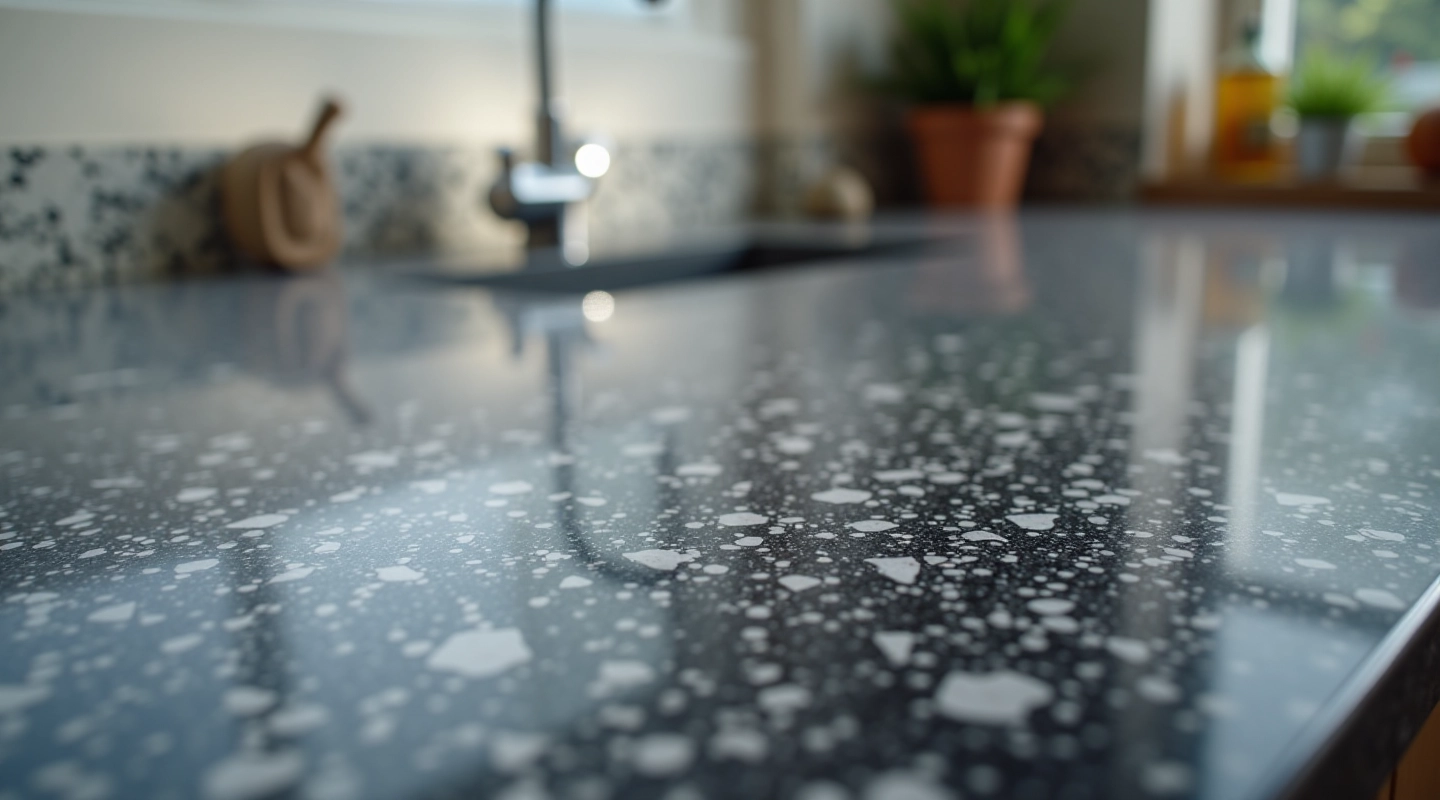
Granite vs Laminate: Which Lasts Longer
We've compared durability, maintenance, and real costs of both materials. Here's what actually matters.
Cost, maintenance, and why quartz might be worth the investment. We break down what makes it different from granite and laminate.

By
Jarnburg Editorial TeamEditorial Team
Written by the jarnburg editorial team, focused on practical, honest guidance for kitchen countertop renovation.
Quartz countertops aren't actually pure quartz. They're engineered stone — about 93% crushed quartz mixed with resin binders and pigments. This matters because it's not the same as natural granite or marble. You're getting a manufactured product that's designed to be durable and consistent.
The resin gives quartz its non-porous surface. That's the real difference from natural stone. No sealing required. No water absorption. You'll wipe it down and it stays protected. Most manufacturers offer 10-year warranties, though some go longer.
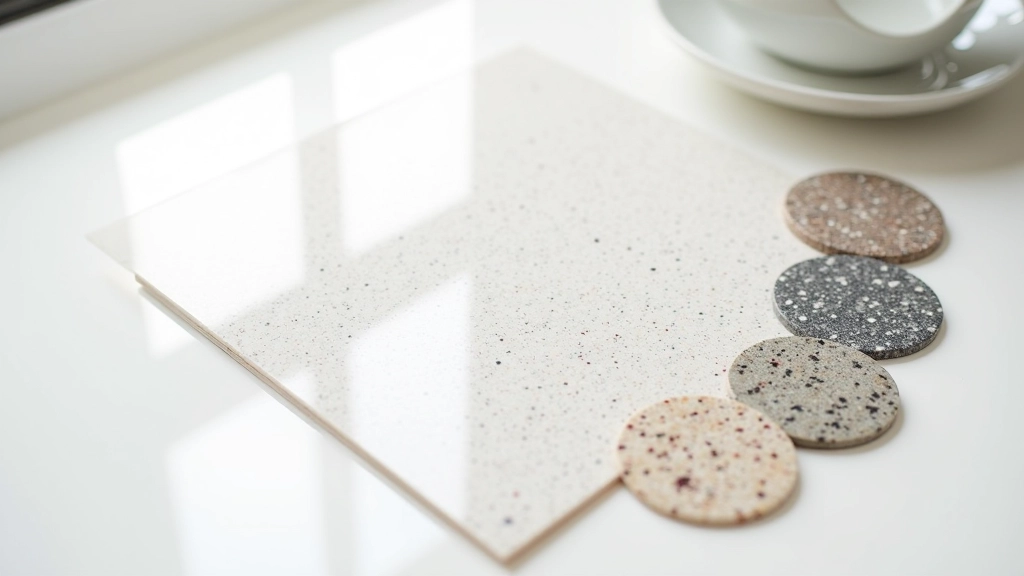
Color options are honestly where quartz shines. You get hundreds of choices — solid colors, speckled patterns, metallic flecks, even stone looks that mimic granite or marble. Unlike natural stone, you're not limited by what nature happened to create in that quarry.
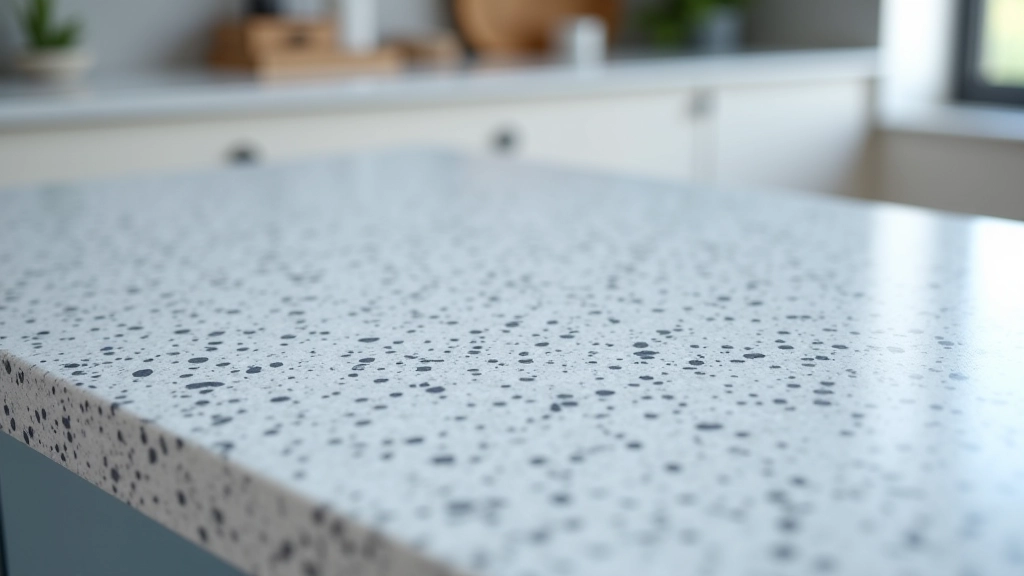
Here's the honest truth: quartz is tough. Scratch-resistant? Not completely — nothing is. But it handles daily kitchen work better than most materials. Spills, heat marks, stains — they don't set in like they do on laminate or wood. You've got time to wipe things up.
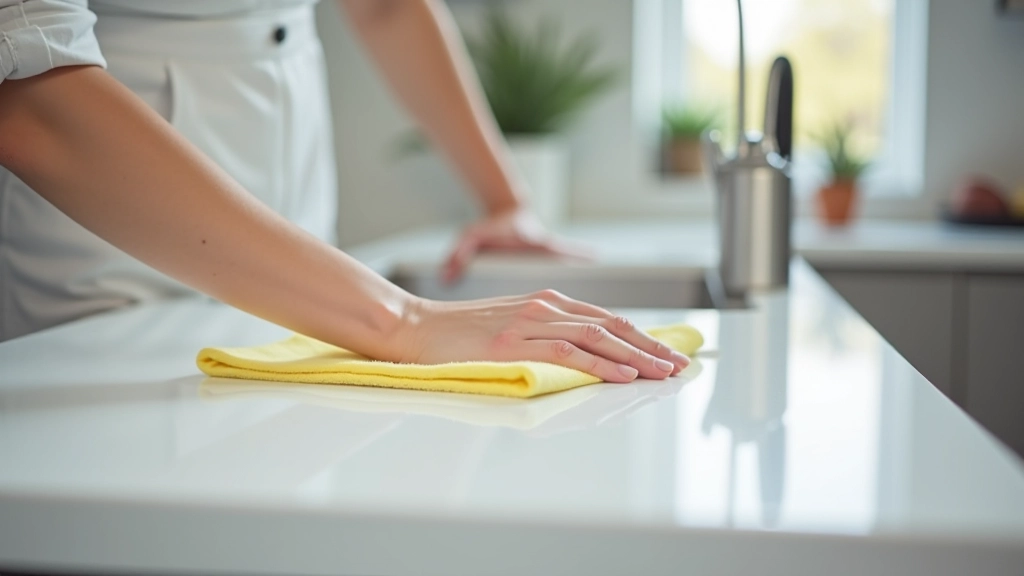
Maintenance is refreshingly simple. Just soap and water. No special sealers every year. No vinegar-and-oil treatments. That's a real advantage if you're not the type to remember home maintenance tasks. Most people appreciate not having to baby their countertops.
One limitation: avoid extreme heat. Quartz can discolor under prolonged heat from pots straight off the stove. Use trivets. It's not difficult, just something to remember. And while quartz resists scratches better than laminate, sharp impacts can chip it. It's durable, not indestructible.
Cheapest option. Budget-friendly for kitchens on a tight timeline. Limited color choices compared to quartz. Requires careful maintenance and doesn't age well.
Natural stone with unique patterns. Requires annual sealing. Can be porous if not sealed properly. Beautiful but demands more care and ongoing maintenance.
Mid to premium range. No sealing needed. Consistent quality and massive color selection. Good middle ground between affordability and durability.
Versus laminate: quartz lasts longer, doesn't dent easily, and handles moisture better. Laminate is cheaper upfront but tends to look worn after 7-10 years. If you're planning to stay in your kitchen for more than a decade, quartz makes sense financially.
Versus granite: quartz requires zero sealing, while granite needs resealing annually. Quartz has more consistent appearance — some people love the uniqueness of granite, others prefer knowing exactly what they're getting. Granite can be slightly cheaper depending on the stone, but once you factor in sealing, the costs even out.
Versus butcher block or wood: wood is beautiful but demands constant oiling and can't handle water exposure well. Quartz wins on practicality if you actually use your kitchen heavily. Wood wins if aesthetics matter more than durability.

Installation takes a few days typically. You'll need to measure carefully — mistakes are expensive to fix. Most fabricators will come measure your kitchen themselves. Don't rely on your own measurements unless you've done this before.
Quartz is heavy. Installation requires proper support underneath, especially for cantilevers or islands. Your cabinets need to be solid and level. This isn't a DIY job unless you're experienced with countertop work. Even then, the material costs enough that professional installation makes sense.
Seams are inevitable on larger counters. They're glued and polished to be nearly invisible, but they exist. Discuss seam placement with your fabricator before ordering. Edge profiles range from simple to decorative — they're worth considering since you see them daily.
This guide is informational and based on general industry standards for countertop materials. Individual product specifications, warranties, and performance can vary significantly by manufacturer. Always consult the specific product documentation and care instructions for your chosen quartz countertop. Installation requirements, durability claims, and maintenance needs may differ based on your local climate, water quality, and usage patterns. For professional advice on material selection and installation, consult with a qualified kitchen contractor or countertop specialist in your area.
Quartz works if you want a practical, low-maintenance countertop that looks good for years. It's not the cheapest option, but it's not the most expensive either. You're getting engineered durability with minimal upkeep. No sealing, no special treatments, just soap and water.
The color selection is genuinely impressive. You're not limited to whatever natural variation happened to form in a quarry. That matters if you have a specific kitchen design in mind. And consistency is valuable — every sheet looks the same, which makes installation and matching easier.
If you're renovating your kitchen and planning to stay for at least 10 years, quartz deserves serious consideration. It's reliable, looks professional, and won't demand constant maintenance. That's a solid combination for most households.
We've compared durability, maintenance, and real costs of both materials. Here's what actually matters.
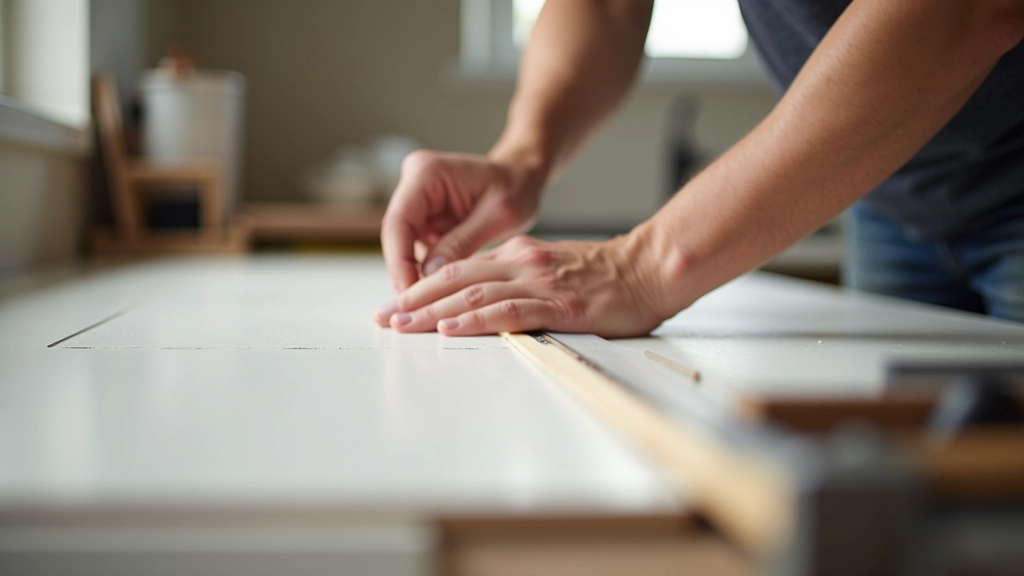
Five mistakes we see people make when installing laminate themselves — and how to fix them.
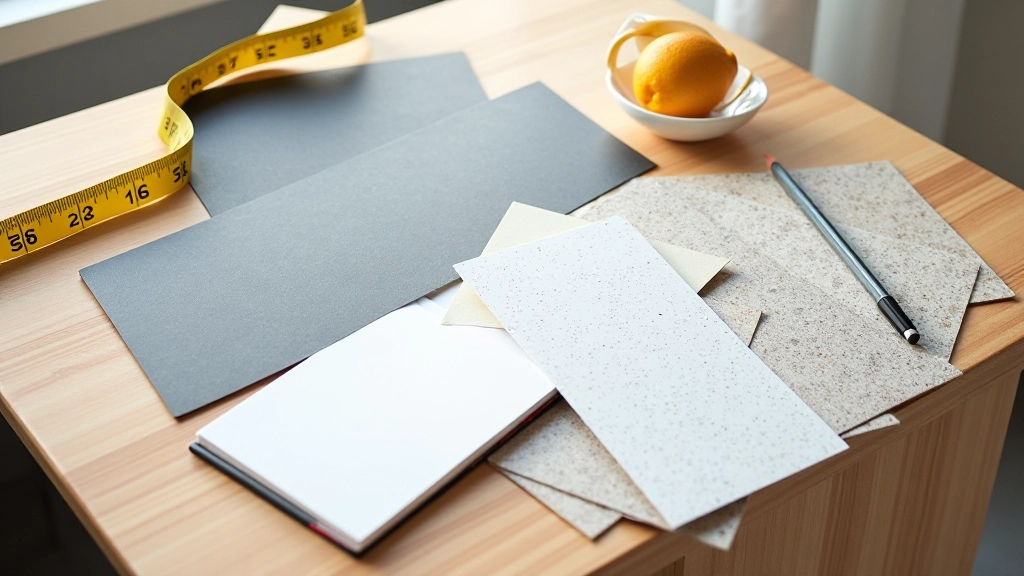
From measuring to choosing materials to finding the right contractor. This checklist covers everything.